







Search Results for: Kōno Company
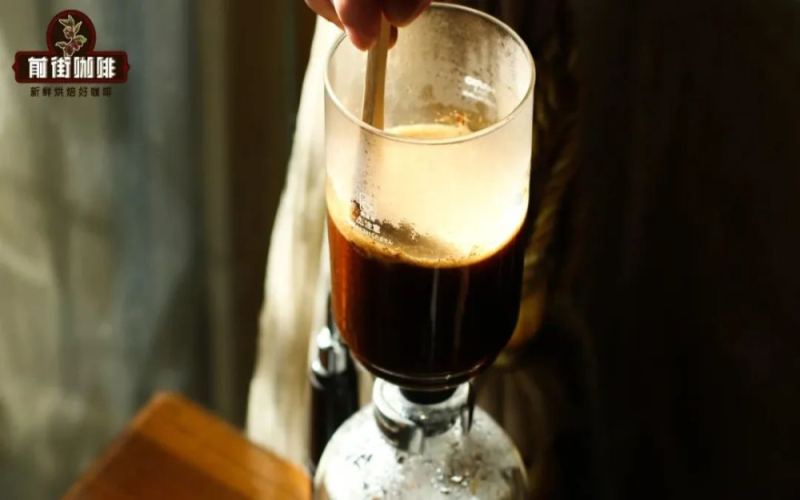
Why is siphon coffee gradually being replaced by pour-over? And which is the most well-known siphon brand in Japan?
The siphon pot, once a staple of specialty coffee shops, now seems to be quietly fading into the background. This brewing device, with its distinctly laboratory-like air, predates pour-over coffee by nearly a hundred years, and it was in Japan that it truly flourished, giving rise to a unique Japanese siphon aesthetic. Yet, in an era where fruity acidity has become mainstream and efficiency is paramount, why has the siphon pot lost out to pour-over? And who is Japan's most renowned siphon pot brand? This article will take you through the origins and popularity of the siphon pot, analyze the core reasons it was replaced by pour-over, and preserve Front Street's observations and recommendations regarding this classic device. [more…]
What brand is Green Mountain Coffee? How much does a K-Cup coffee cost, and how is it different from Starbucks?
Green Mountain Coffee is often compared with Blue Mountain Coffee, but the two actually belong to different concepts: Green Mountain Coffee is an American coffee company, while Blue Mountain Coffee refers to coffee beans produced in Jamaica's Blue Mountains. Green Mountain Coffee Company's core business is the Keurig coffee machine and its matching K-Cups. Relying on a unique business model, it has secured a place in the global market, with annual sales reaching as high as 1 billion K-Cups. A K-Cup is a patented capsule container that is convenient to use—no need to grind beans or measure portions, and a cup of coffee can be made in one minute, at a price far lower than Starbucks. This article will introduce Green Mountain Coffee's business model, the features of K-Cups, and the price range, and compare its differences with Starbucks. [more…]
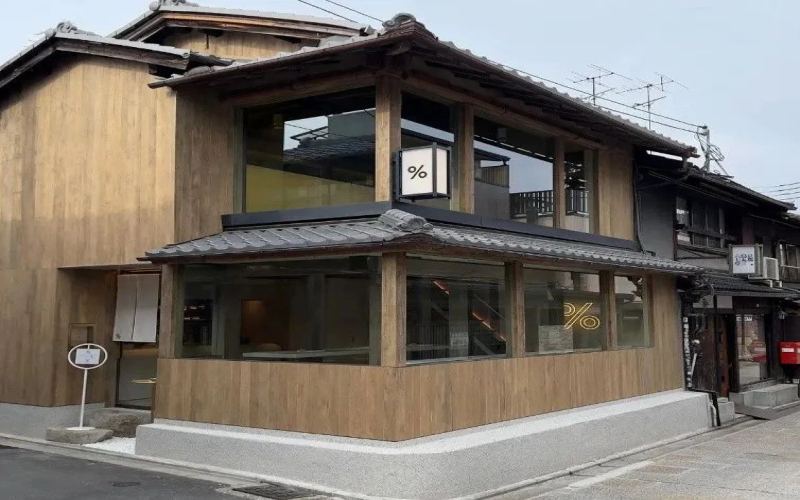
%Arabica crosses over into a Japanese-style diner: Kyoto launches a traditional ichiju-sansai breakfast, set menu priced at 4,800 yen
%Arabica, known for its minimalist design and small cups of coffee, recently opened the world's first traditional Japanese breakfast restaurant %Shokudō in Kyoto, Japan, officially entering the culinary field. This store is located directly opposite the %Arabica Kyoto Higashiyama store, combining traditional wooden architecture with a glass curtain wall, with only 12 seats, offering a "one soup, three dishes" Japanese breakfast by reservation, priced at 4,800 yen per set including tax, including miso soup, rice, grilled fish as the main dish, and three side dishes, with a choice of tea or %Arabica coffee after the meal. This move marks %Arabica's first attempt at a shokudo format among its 188 stores worldwide since returning to Kyoto in 2014, and also fulfills the brand's long-held dream of opening a restaurant. [more…]
What Is the Connection Between Green Mountain Coffee and Blue Mountain Coffee? A Clear Guide to the Differences and Blue Mountain Coffee Expertise
Many people, upon first hearing about Green Mountain Coffee, assume it is an imitator of Blue Mountain Coffee, and some readers of Front Street Coffee have even asked whether Green Mountain is a knockoff. In reality, apart from the similar names, Green Mountain Coffee and Blue Mountain Coffee have almost no substantive connection. Green Mountain Coffee is not a coffee bean variety but an American coffee company founded in 1981, known for its K-Cup pods and Keurig coffee machines; Blue Mountain Coffee, on the other hand, is Arabica Typica coffee produced in Jamaica's Blue Mountain region, strictly graded by the Jamaica Coffee Industry Board. This article will separately examine Green Mountain Coffee's business model, Blue Mountain Coffee's history and grading system, key points for purchasing and authentication, and include Front Street Coffee's roasting and brewing recommendations. [more…]
Espresso Full Analysis: Tasting Methods and Food Pairing Suggestions for Four Classic Kung Fu Coffees
Espresso's status in the coffee world is like the weight of gongfu tea in tea culture—it is both the foundation and the test. A good espresso is covered with a thick layer of dark brown crema, with fine mottled patterns interwoven through it, and it is already moving enough without any embellishment. It is both the soul base of cappuccino and latte, and it can also appear on its own without any dressing. However, from Single espresso to Double espresso, from Macchiato to Con panna, each kind of gongfu coffee has its own character and way of drinking. This article will break down one by one the tasting essentials and pairing suggestions for these four classic espressos, helping coffee lovers no longer feel lost when ordering in a café and also replicate as much as possible that essence extracted within 30 seconds at home. [more…]
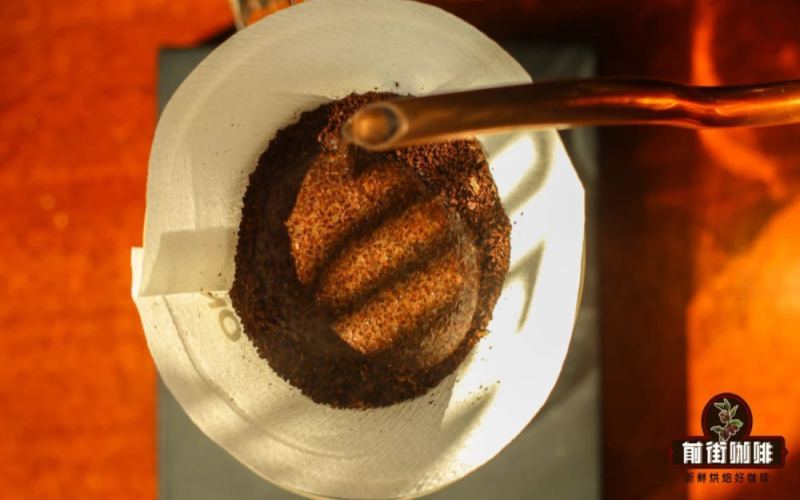
How to Choose Beginner Pour-Over Coffee Beans? Four Japanese Brewing Techniques and Recommended Everyday Beans from Africa, Asia, and the Americas
Many coffee enthusiasts who come to Front Street to buy beans ask: how can you hand-brew a coffee to bring out its best flavor? Front Street has always felt that brewing by hand is an enjoyment in itself, and coffee you brew yourself tastes all the more satisfying psychologically. This article first sorts out the four most mainstream Japanese hand-brewing techniques—Matsuya style, Kono style, volcano pour, and the zigzag pouring method—explaining their key operational points and taste characteristics; then, by the three major producing regions of Africa, Asia, and the Americas, recommends several high-value Front Street everyday beans suitable for beginners to practice with, along with specific brewing parameters and techniques, in the hope of helping every coffee lover. [more…]

Which brand is reliable when joining a coffee shop franchise? How much does the initial investment actually cost?
In the past year or two, the popularity of coffee entrepreneurship has continued to rise, and many office workers have begun to entertain the idea of opening a shop and becoming their own boss. A coffee shop that seems to have low barriers to entry, requires little investment, and has an artistic atmosphere has become the ideal project in many people's minds. But when they actually start, they discover that they have no idea where to begin, from site selection to promotion, so franchise chains have become a popular option. Advertisements promising "zero threshold" and "easy to be your own boss" are everywhere, but is the reality really that rosy? This article sorts out the main models of coffee franchising today, helps you calculate the upfront investment clearly, and gives the key points to note when choosing a franchise brand, in the hope of offering some reference for those who are still hesitating. [more…]

What's the difference between Green Mountain Coffee and Blue Mountain Coffee? Front Street explains the origins of both and how to taste Blue Mountain No. 1
A dialogue about Green Mountain Coffee and Blue Mountain Coffee in the TV series Ode to Joy has left many viewers puzzled: Does Green Mountain Coffee really exist in the United States? What exactly is its relationship with Blue Mountain Coffee? From the perspective of Front Street Coffee, this article will sort out the brand background of Green Mountain Coffee, the K-Cup business model, and the historical reasons for the high price of Blue Mountain Coffee, and further introduce the grade classification, flavor characteristics, and Front Street's brewing suggestions for Blue Mountain No. 1. If you are curious about these two coffees with similar names but vastly different origins, this article will clarify them one by one for you, from brand origin and market positioning to tasting methods. [more…]
What is the difference between Green Mountain Coffee and Blue Mountain Coffee? From the plot of Ode to Joy, look at Green Mountain's background, Blue Mountain's price and grade.
In the TV drama Ode to Joy, a conversation about "Green Mountain Coffee" and "Blue Mountain Coffee" led many viewers to believe that Green Mountain is a knockoff of Blue Mountain. In fact, there really is a coffee brand in the United States called Green Mountain, and it is completely different from Jamaican Blue Mountain Coffee. Starting from this plot, this article first clarifies the real background of Green Mountain Coffee: it is a brand from Vermont, USA, which opened up the office market with Keurig single-serve coffee makers and K-Cups, taking a convenient and affordable route. Then it turns to Blue Mountain Coffee, explaining why it is expensive, what grade Blue Mountain No. 1 occupies within Jamaican Blue Mountain, and the flavor, pour-over parameters, and tasting method of Blue Mountain No. 1 recommended by Front Street Coffee. [more…]
How Does Green Mountain Coffee Differ from Blue Mountain Coffee? A Full Analysis of Grades, Taste Characteristics, and Buying and Identifying Blue Mountain
Green Mountain Coffee has frequently appeared in the public eye in recent years, and many people mistakenly believe it is a knockoff Blue Mountain or some kind of coffee bean. In fact, Green Mountain Coffee is a coffee brand founded in the United States in 1978, which pioneered a new business model with its Keurig coffee machines and K-Cup system. Blue Mountain Coffee, on the other hand, is an Arabica Typica coffee produced in a specific area of Jamaica's Blue Mountains, with strict grading standards and a legendary history. Apart from the similar Chinese translated names, the two have almost no connection. This article will systematically sort out Green Mountain Coffee's brand positioning and business logic, explain in detail Blue Mountain Coffee's producing region definition, grade classification, historical changes, and key points for purchasing and identification, and also include Front Street Coffee's brewing suggestions for Blue Mountain No. 1, to help coffee enthusiasts clarify concepts and make rational purchases. [more…]
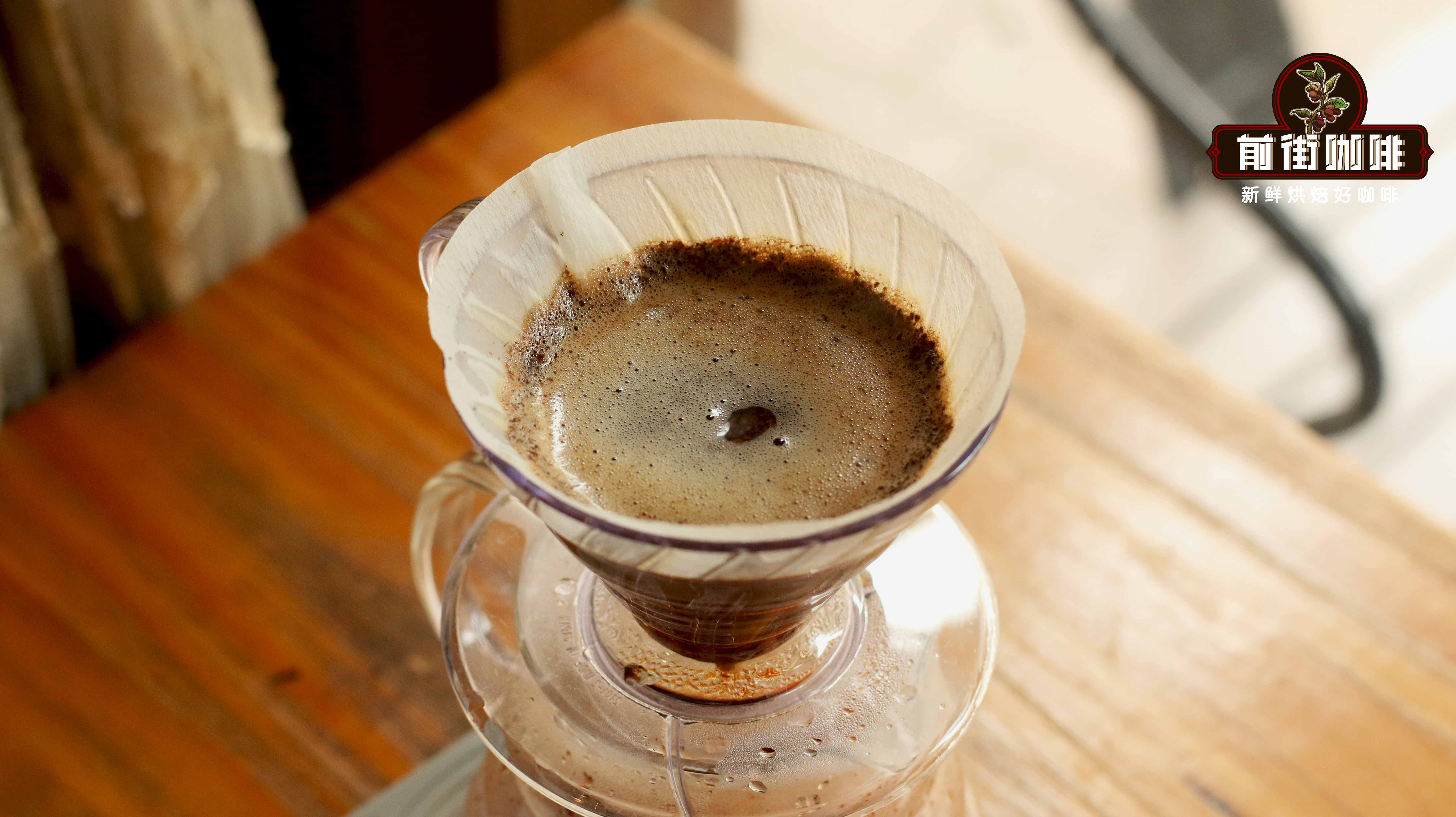
A Complete Analysis of Five Pour-Over Coffee Techniques: Detailed Parameters for One-Pour, Three-Stage, Stirring, 4:6, and Kono Methods
Pour-over coffee may seem simple, but in reality every pouring technique brings out a completely different flavor profile. Front Street Coffee's daily in-store offerings uniformly use the three-stage pour, but the baristas know well that changing the pouring height, water temperature, flow rate, or number of stages is equivalent to creating an entirely new brewing method. This article compiles five distinctive pour-over techniques—the one-pour method, the three-stage method, the agitation method (Rao's spin method), the 4-6 method, and the Kono-style method—breaking down their key operational points and suitable scenarios one by one, along with Front Street Coffee's complete brewing parameters, so that coffee enthusiasts can try them at home one by one and, through comparative tasting, find the cup that best suits their own taste. [more…]
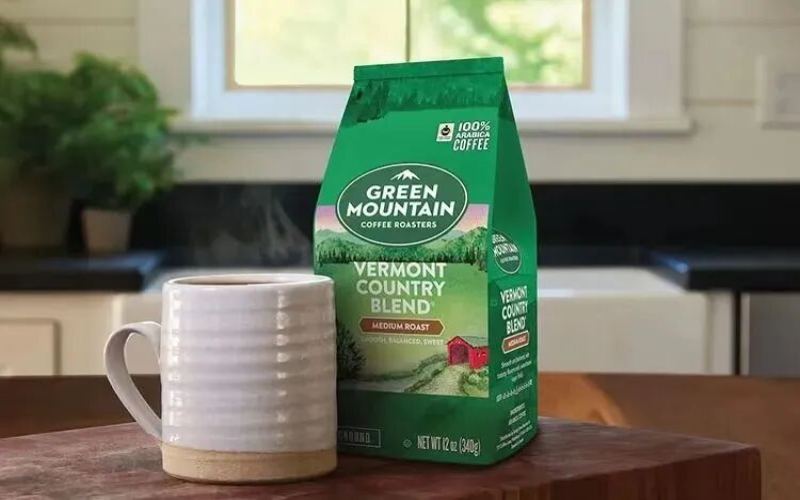
Blue Mountain Coffee | Is Green Mountain Coffee a fake Blue Mountain Coffee? How does Jamaica grade Blue Mountain Coffee? How to identify genuine Blue Mountain Coffee?
Blue Mountain coffee has been famous worldwide since the last century. Today, a brand called "Green Mountain Coffee" has come into the public eye. Many friends have asked Front Street, "Is Green Mountain Coffee riding on Blue Mountain Coffee's coattails?" "Is Green Mountain Coffee a counterfeit of Blue Mountain Coffee?" and similar questions. So Front Street decided [more…]
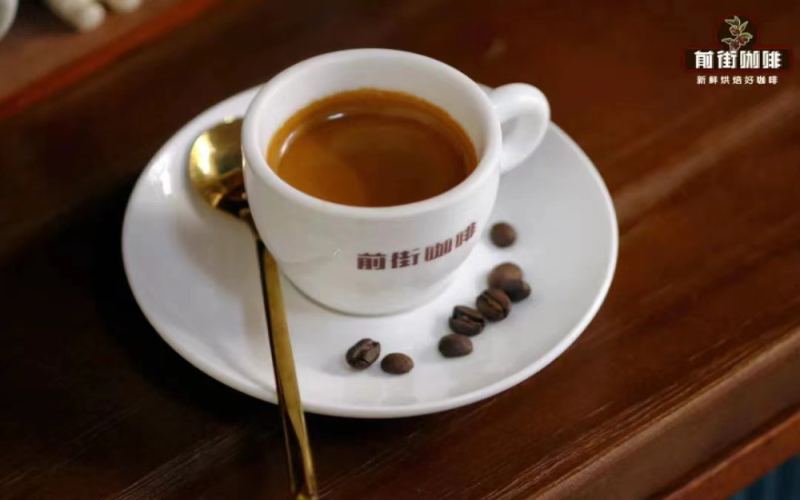
What's the Difference Between Espresso and Americano? A Full Breakdown of Espresso Extraction and Common Fancy Coffee Drinks
Espresso is a highly concentrated coffee liquid extracted quickly under 9 bars of pressure using an espresso machine, and it holds a pivotal position in the coffee family. This brewing method originating from Italy has been passed down for a century, and its name itself is the past participle of the Italian verb esprimere, tracing back to the Latin exprimō, meaning "to press out"; however, some linguists also associate it with the English word express, believing it implies the meaning of "fast." Regardless of how the etymology is interpreted, it happens to point to the two core characteristics of Espresso. Next, Front Street Coffee will unfold from the bean selection for espresso, extraction parameters, flavor performance, and the various classic coffee drinks derived from it, to give everyone a comprehensive understanding of the difference between espresso and American black coffee. [more…]
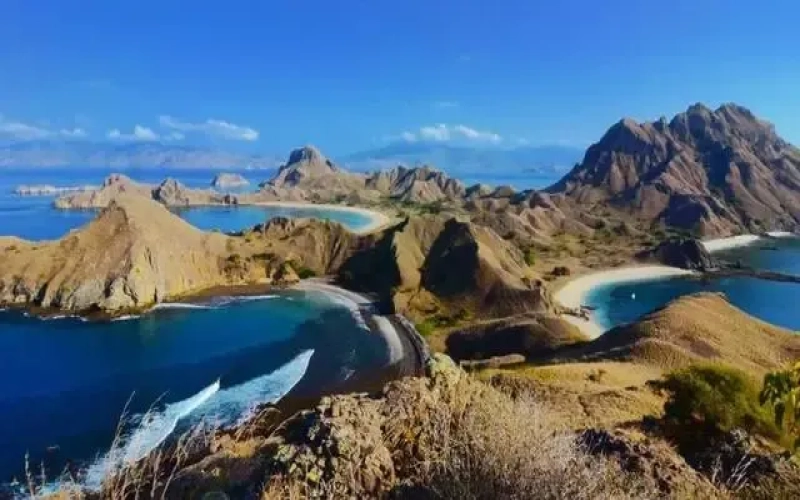
An Analysis of the Sulawesi Coffee Region in Indonesia: From the Toraja People to Specialty Flavors
Asia is vast, with diverse terrain and climatic conditions, nurturing several important coffee-producing countries, and Indonesia is among the foremost, ranking fourth in global production. Indonesia's coffee landscape is divided by islands. Sumatra is renowned for Mandheling, but Sulawesi also produces high-quality coffee beans. This article will guide you through the history of coffee cultivation in Indonesia, the evolution of varieties, and natural conditions, with a focus on Sulawesi—a mountainous island shaped like the letter K—introducing the Toraja people known for coffee cultivation, and the bright, complex specialty coffee in their hands. [more…]
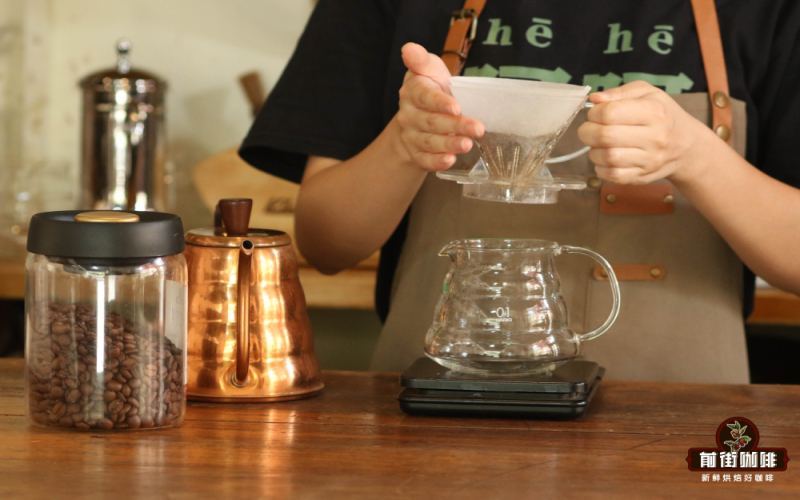
Analysis of the KONO dripper's design principles and brewing characteristics: How the short-rib structure affects extraction flavor and recommended coffee beans
As a well-known Japanese coffee equipment brand, KONO's cone-shaped dripper occupies an important position in the pour-over coffee world thanks to its unique short-rib design. Starting from the historical origins of the KONO dripper, this article takes a deep dive into how its rib structure slows the flow rate and extends the steeping time by limiting the space for air to escape, thereby improving extraction balance and body. At the same time, in response to the brewing needs of medium-to-dark roasted coffee beans, it shares the real-world parameters used at Front Street Coffee stores, including grind size, water temperature, coffee-to-water ratio, and a three-pour pouring scheme, and recommends a number of classic beans that pair well with this dripper, helping coffee enthusiasts fully master the logic of using the KONO dripper. [more…]

Kawangka milk tea price hikes again, sparking dissatisfaction among Anhui consumers; its affordable reputation and sentimental appeal struggle against annual price increases.
Anhui-based brand K.W.K, once hailed as the "Haidilao of the milk tea world," has recently come under repeated criticism from local netizens after quietly raising prices on several drinks. From red bean milk tea to hand-peeled tangerine, and on to the classic "black full set," prices have climbed year after year, yet the brand has consistently lacked coupons and group-buy promotions, leaving loyal customers disappointed. Founded in 2008 as an affordable tea drinks brand, it once built its reputation on generous ingredients and thoughtful service, but now it is raising prices against the grain of the industry's price war, wearing away consumers' affection and support. This article reviews K.W.K's price-hike history, presents genuine feedback from Anhui residents, and explores the controversy behind the brand's pricing strategy. [more…]
Panama's Kotowa Family Three Estates: Flavor Stories and Origin Analysis of Geisha Coffee Beans from Kotowa, Don K, and Duncan
On the map of Panama's specialty coffee, the name Kotowa has always been closely linked with exceptional quality. The three estates left by founder Alexander Duncan—Jaramillo, Don K, and Duncan—each possess unique microclimates and terroir, giving rise to distinctly different coffee flavors. From the warm sweetness of Jaramillo, to the sharp acidity and stone fruit notes of Don K, to the delicate honeysuckle-citrus profile of Duncan, each estate tells the legend of the terroir of the Boquete Valley. This article will guide you through an in-depth look at the geographical conditions, processing methods, and flavor characteristics of these three estates, along with selected recommendations from Front Street Coffee, offering professional guidance for your coffee exploration journey. [more…]
What's the difference between Green Mountain Coffee and Blue Mountain Coffee? One article explains the difference between brand coffee and origin coffee
Green Mountain Coffee and Blue Mountain Coffee differ by only one word, yet they belong to completely different concepts. The former is a commercial coffee brand from Vermont in the United States, known for its K-Cup single-serve system and its environmental and fair trade philosophy; the latter is a top-tier single-origin coffee produced in Jamaica's Blue Mountains, subject to strict regional standards, with scarce output and a high price. This article will sort out the essential differences between the two one by one from the perspectives of origin background, brand positioning, market history, and quality standards, and introduce the Blue Mountain No. 1 coffee beans recommended by Front Street Coffee along with brewing suggestions, helping coffee lovers clearly distinguish between these two coffees that are often confused. [more…]
What's the difference between Green Mountain Coffee and Blue Mountain Coffee? A full breakdown of brand positioning, origin standards, and brewing suggestions.
Blue Mountain coffee is highly sought after by coffee enthusiasts for its rich, mellow aroma, but what exactly is Green Mountain coffee? Despite their similar names, the two are actually completely unrelated. Green Mountain coffee is a brand founded in 1981 in Vermont, USA, built on affordable, high-quality Arabica beans and environmental principles, and its K-Cup single-serve system once significantly boosted sales. Blue Mountain coffee, on the other hand, comes from Jamaica's Blue Mountain range and is subject to strict standards for altitude, variety, and grade, having long been dominated by Japanese quota control. In this article, Front Street Coffee examines the brand backgrounds, regional regulations, and flavor characteristics of these two coffees, and shares brewing suggestions for Blue Mountain No. 1. [more…]
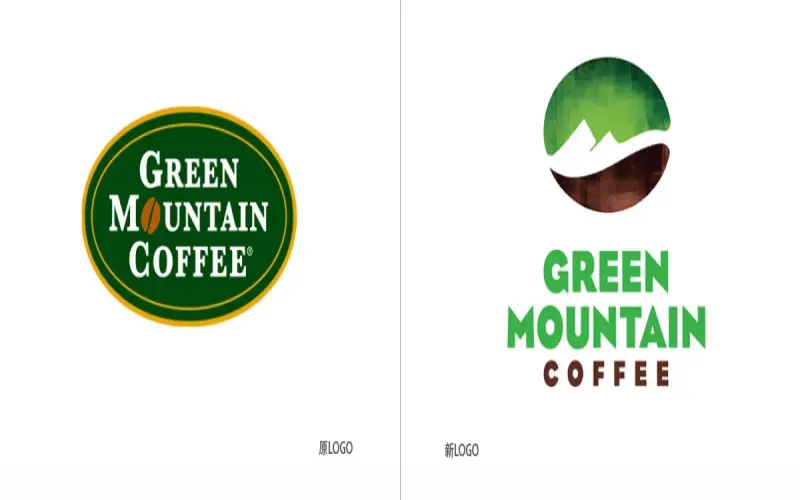
What is the difference between Green Mountain Coffee and Blue Mountain Coffee? A comprehensive comparison of their prices, taste profiles, and origin characteristics
People often talk about Blue Mountain coffee, but where does Green Mountain coffee come from? Though their names sound similar, one is actually a brand from Vermont in the United States, while the other is a top-tier representative of a Jamaican growing region. From the perspective of Front Street Coffee, this article first sorts out Green Mountain Coffee's brand positioning and K-Cup design, then takes a deeper look at the cultivation history, grading standards, and methods for identifying authentic Jamaican Blue Mountain. It also includes the growing region information, brewing parameters, and flavor description of the Blue Mountain No. 1 currently sold by Front Street, helping coffee lovers distinguish the differences between the two and choose the cup that suits their taste. [more…]